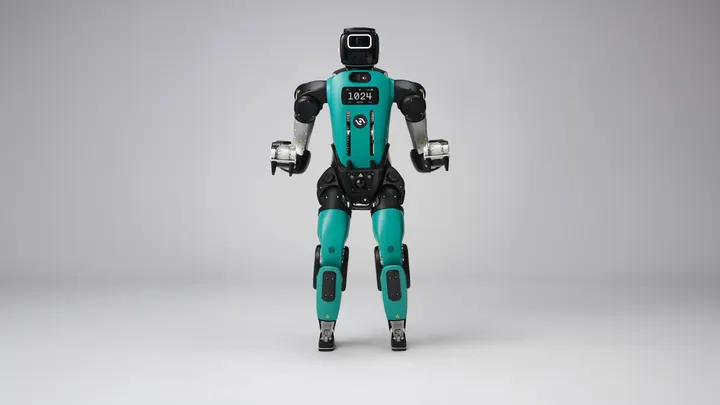
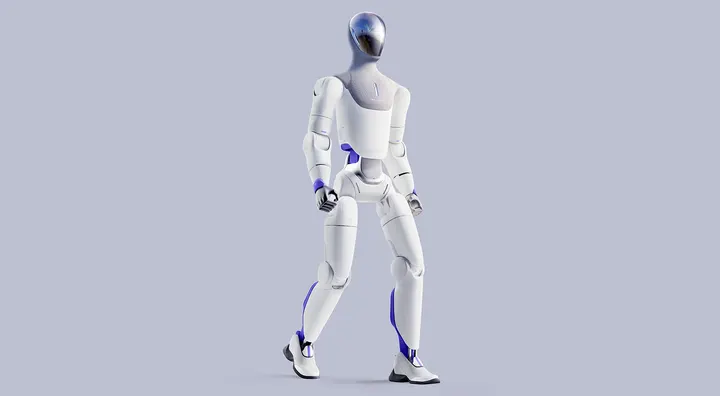

The robot carries, the staff serve
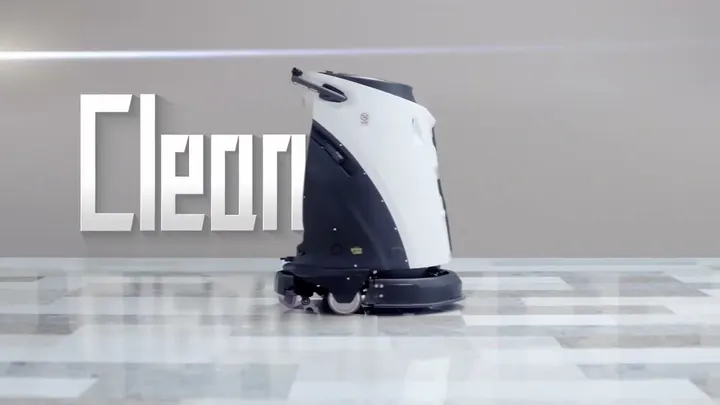
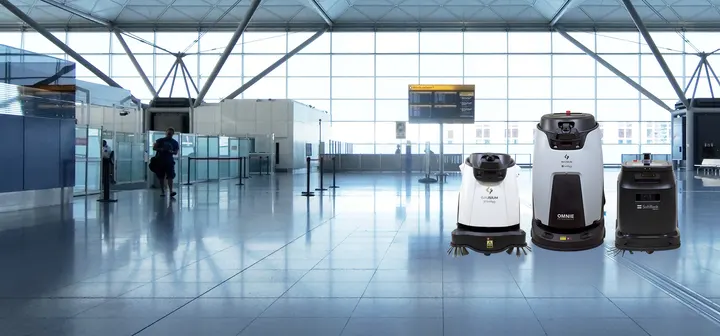
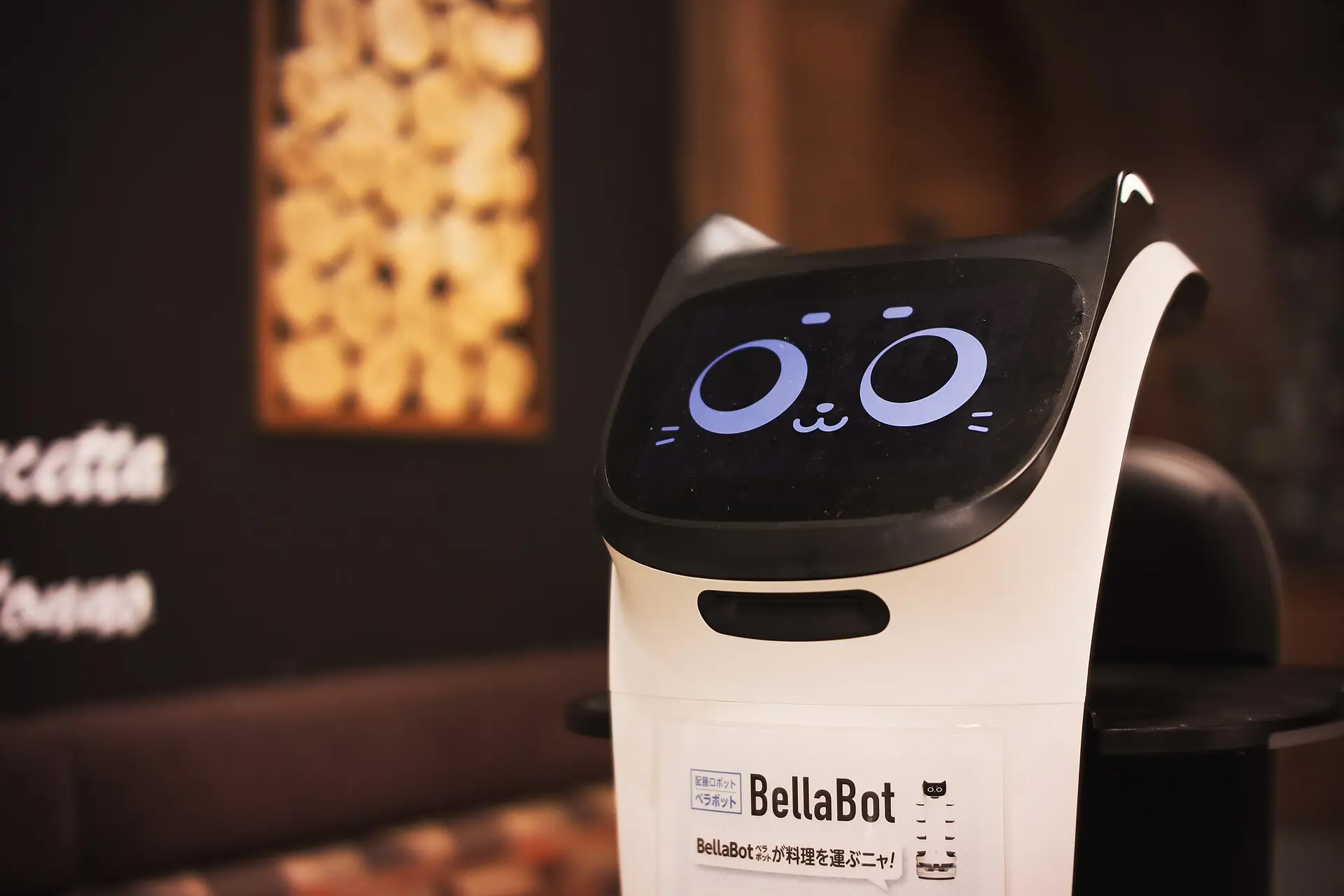
The service robot moves dishes and empties through the room, and the floor robot goes over it after closing. The routes are recorded once, at installation.
- per trip through the room
- 10-40 kg
- of scrubbing per charge
- 3-6 h
Most of the walking in a dining room goes on the trip from the kitchen to the table and back. The service robot moves trays along a recorded route, stops at the table and waits for staff or the guest to lift the plate. Payload is commonly ten to forty kilograms, spread over three or four shelves.
Space and floor
The gap between tables has to be at least seventy to eighty centimetres along the whole route, and chairs must not be pulled out into it. The floor is usually tile or hard laminate. A threshold higher than two centimetres or a steep ramp stops the robot, and stairs rule out moving between levels.
Cleaning after closing
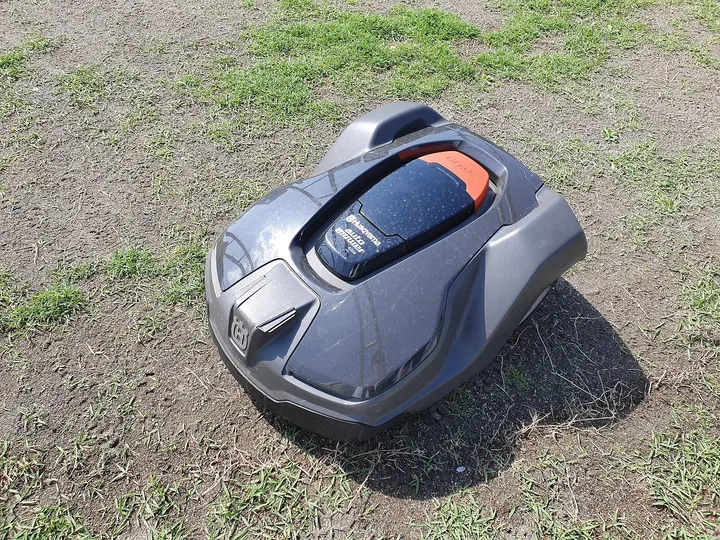
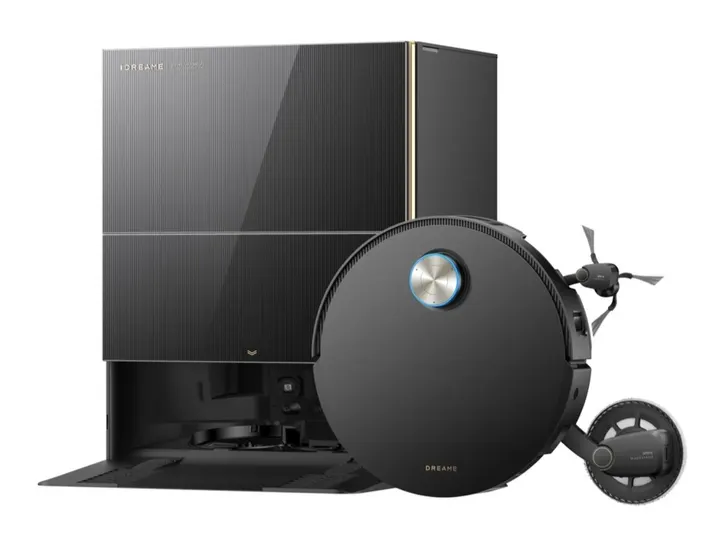
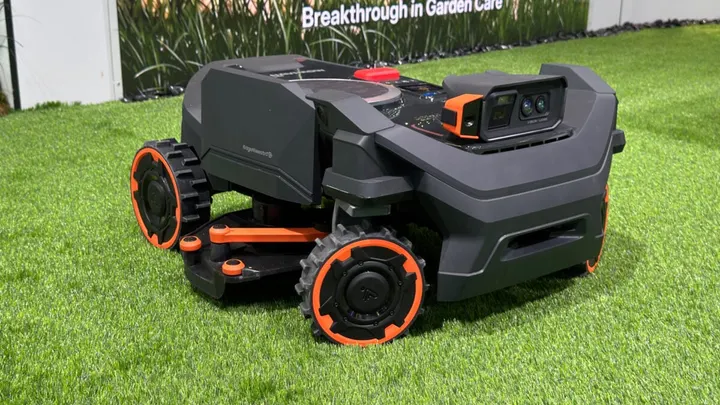
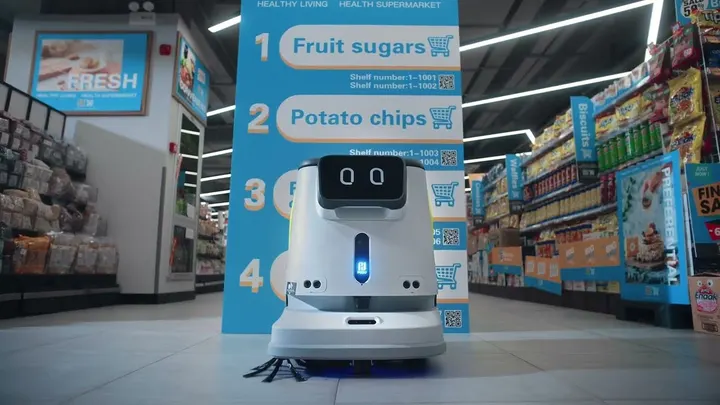
A small scrubbing machine goes over the room after closing and runs three to six hours per charge. The grease mark under the table still belongs to the staff, because the robot covers open floor rather than corners and the space under furniture. The dock and a tap should be in the same room or immediately next to it.
Training is short. The shift needs to know how to start a route, send the robot back to the kitchen and move it out of the way when it gets stuck. Wifi in the room is used for monitoring, reports and updates, while basic driving along a recorded route continues when the network is down.
Recommended robots
Robotics in numbers
600+k
industrial robots were installed worldwide in 2025, up 11% on the year before.
5M
industrial robots are at work in factories worldwide, up 9% on the year before.
267robots
per 10,000 manufacturing employees in Western Europe, a record robot density.
Source: IFR World Robotics 2026, 2025 data; robot density: IFR, 2024 data.