











Lawn and floors on a schedule
A robotic mower covers up to five thousand square metres per cycle, and a household robot vacuums and mops the floor of a flat or house between your commitments.
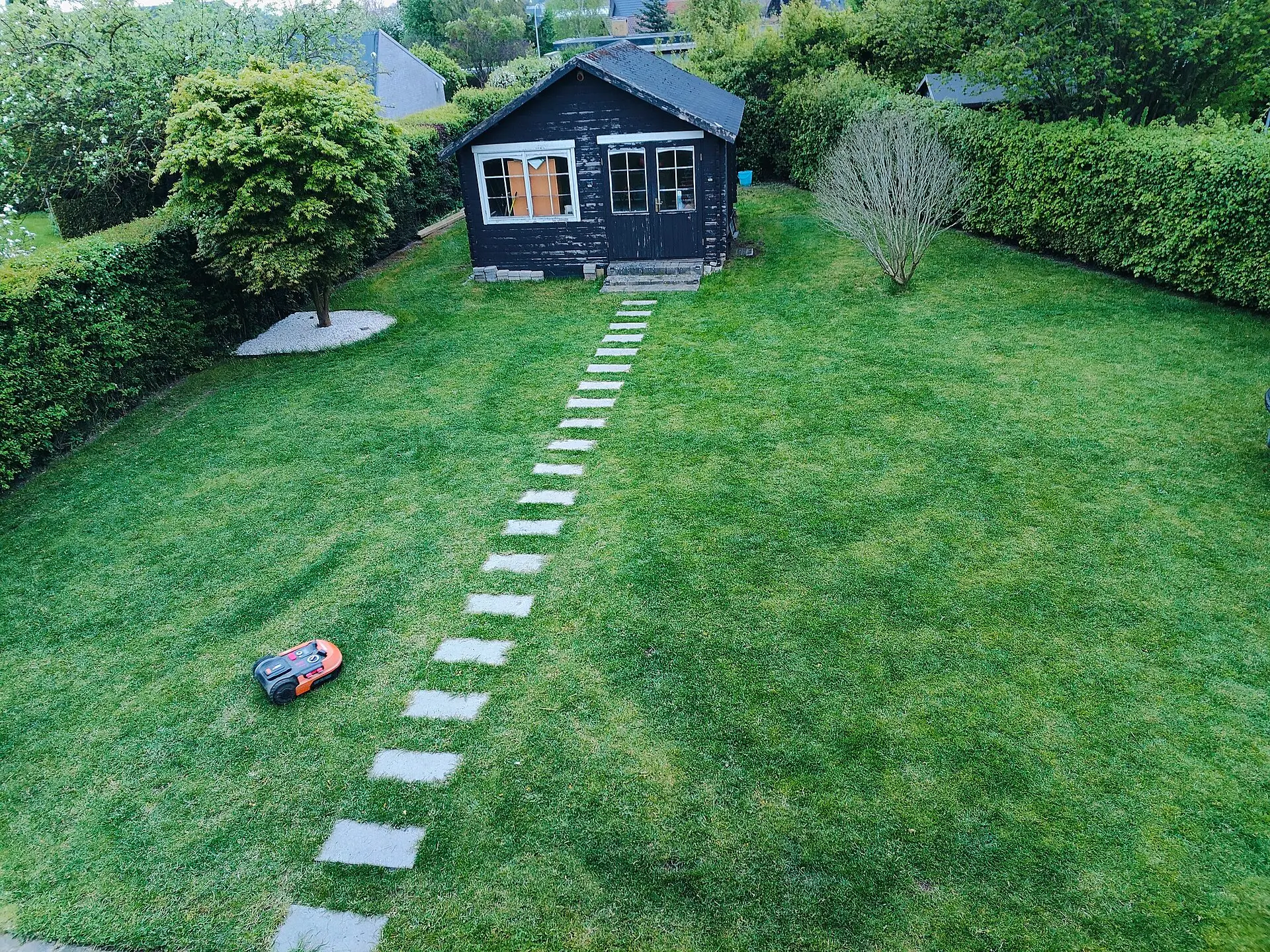
- of lawn per mowing cycle
- 5000 m²
- of mowing per battery charge
- 145-200 min
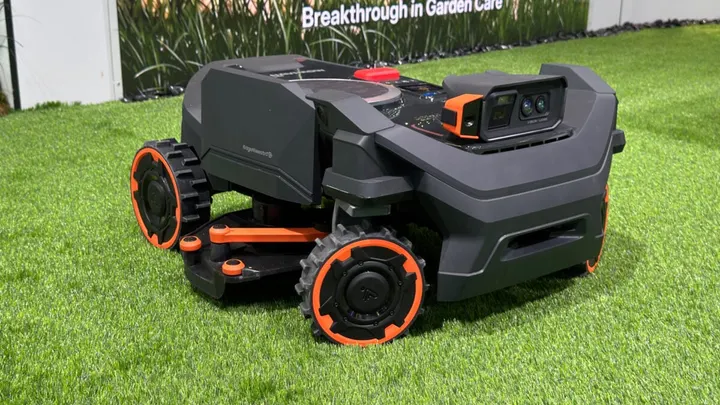
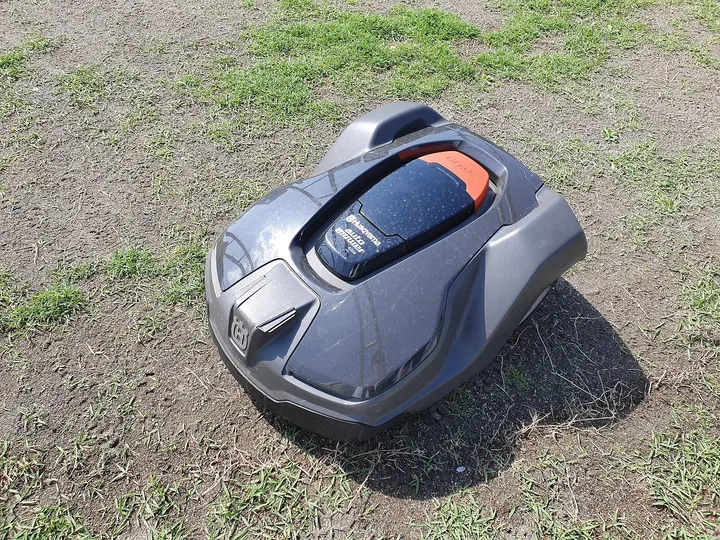
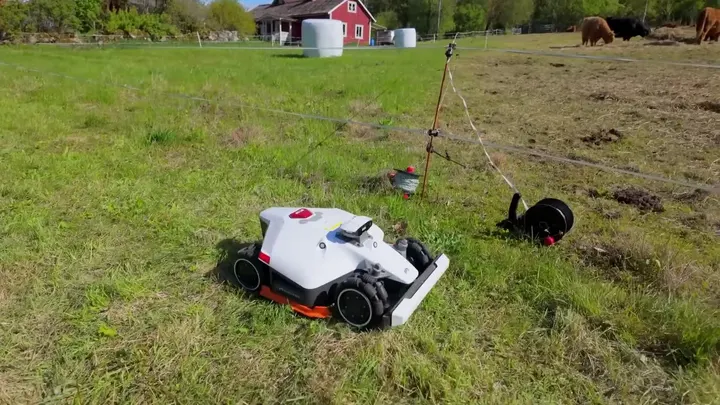
A robotic mower does not cut once a week but every other day, for a few hours. The clippings stay on the lawn and break down, so there is no raking or carting away. Models for larger plots run a hundred and forty-five to two hundred minutes per charge and cover up to five thousand square metres in a cycle.
Preparing the garden
Before the first run, clear stones, hoses and toys, level the holes and decide how the boundary is set: a wire in the ground or satellite guidance without wire. Most models will not drive a slope steeper than thirty-five per cent. The dock needs level ground, power nearby and a spot in the shade.
Indoors
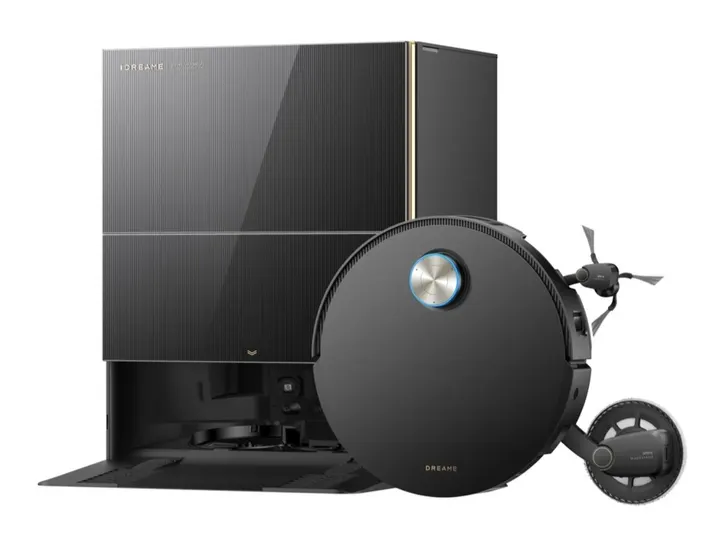
A household vacuuming and mopping robot needs cables, thin rugs and small objects lifted off the floor. A dock that empties the bin and washes the pads takes about half a metre of wall and is best placed near water and a drain. Thresholds higher than two centimetres split a flat into separate zones.
Maintenance is a few minutes a week: changing the mower blades every few months, washing the filter and brush on the vacuum, wiping the sensors. Over winter the mower goes into a dry room, with the battery charged to roughly half rather than left empty.
Recommended robots

Robotics in numbers
600+k
industrial robots were installed worldwide in 2025, up 11% on the year before.
5M
industrial robots are at work in factories worldwide, up 9% on the year before.
267robots
per 10,000 manufacturing employees in Western Europe, a record robot density.
Source: IFR World Robotics 2026, 2025 data; robot density: IFR, 2024 data.