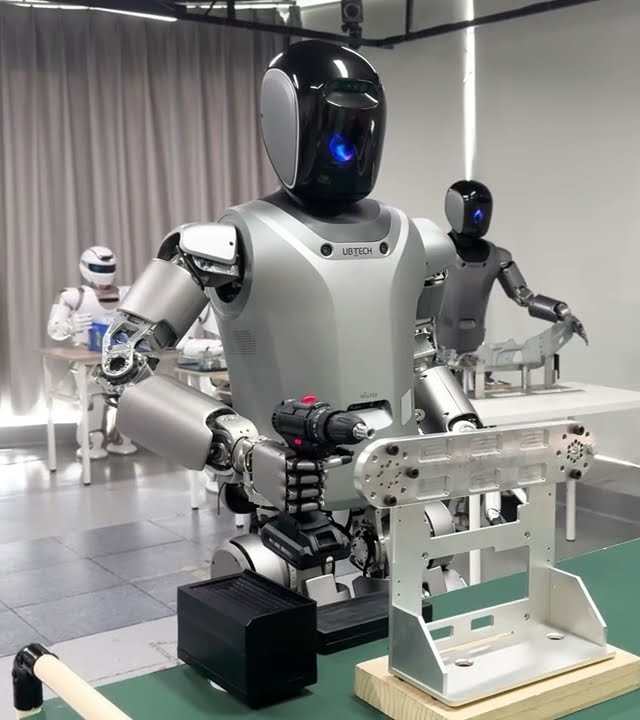
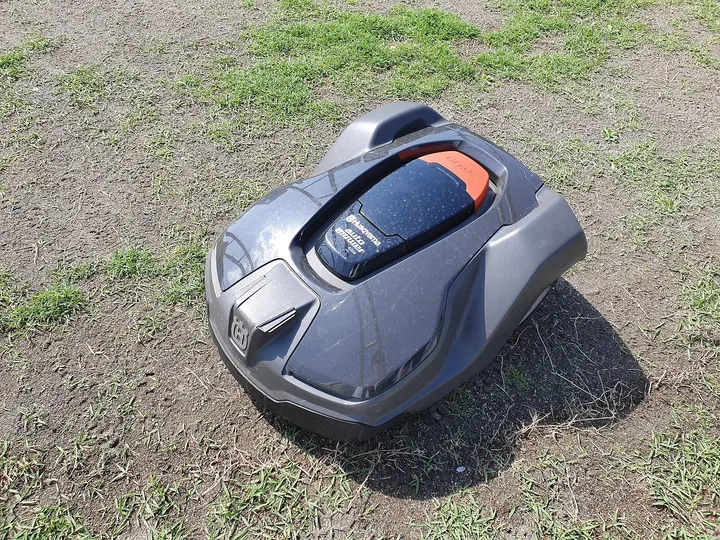
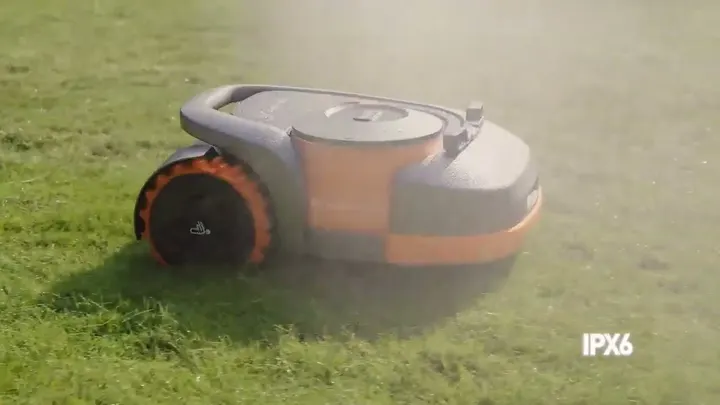
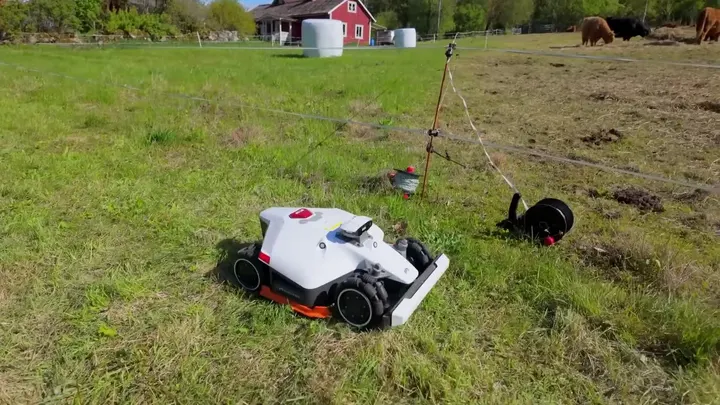

A clean floor before the first shift
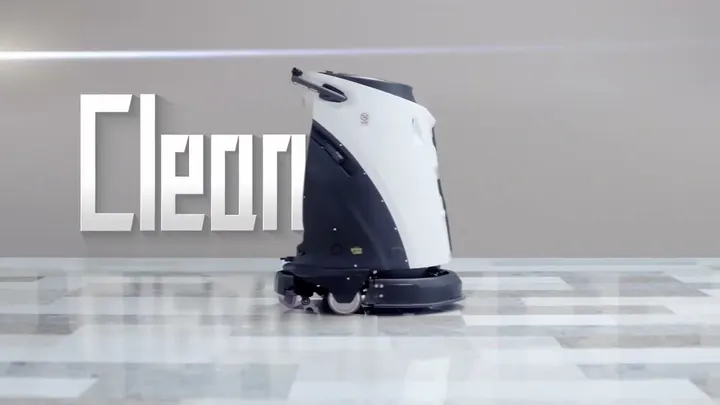
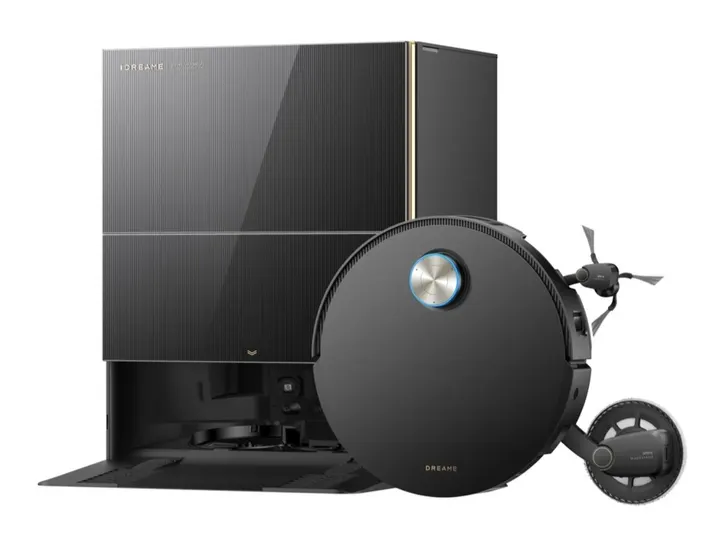
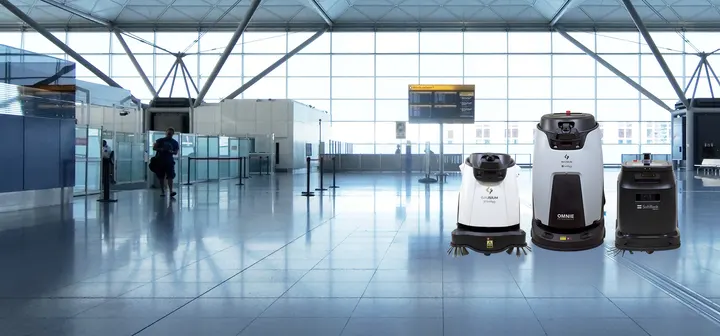
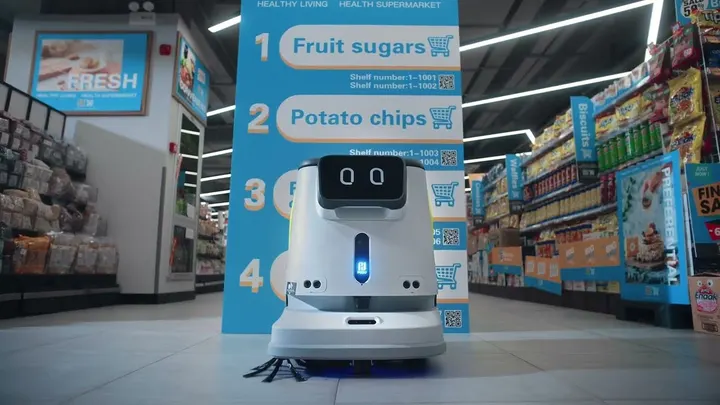
A vacuuming and scrubbing robot covers the open floor at night, while a delivery robot moves post and parcels between departments during the day.
- of dry vacuuming per charge
- 8-10 h
- typical scrubbing coverage
- 700-1400 m²/h
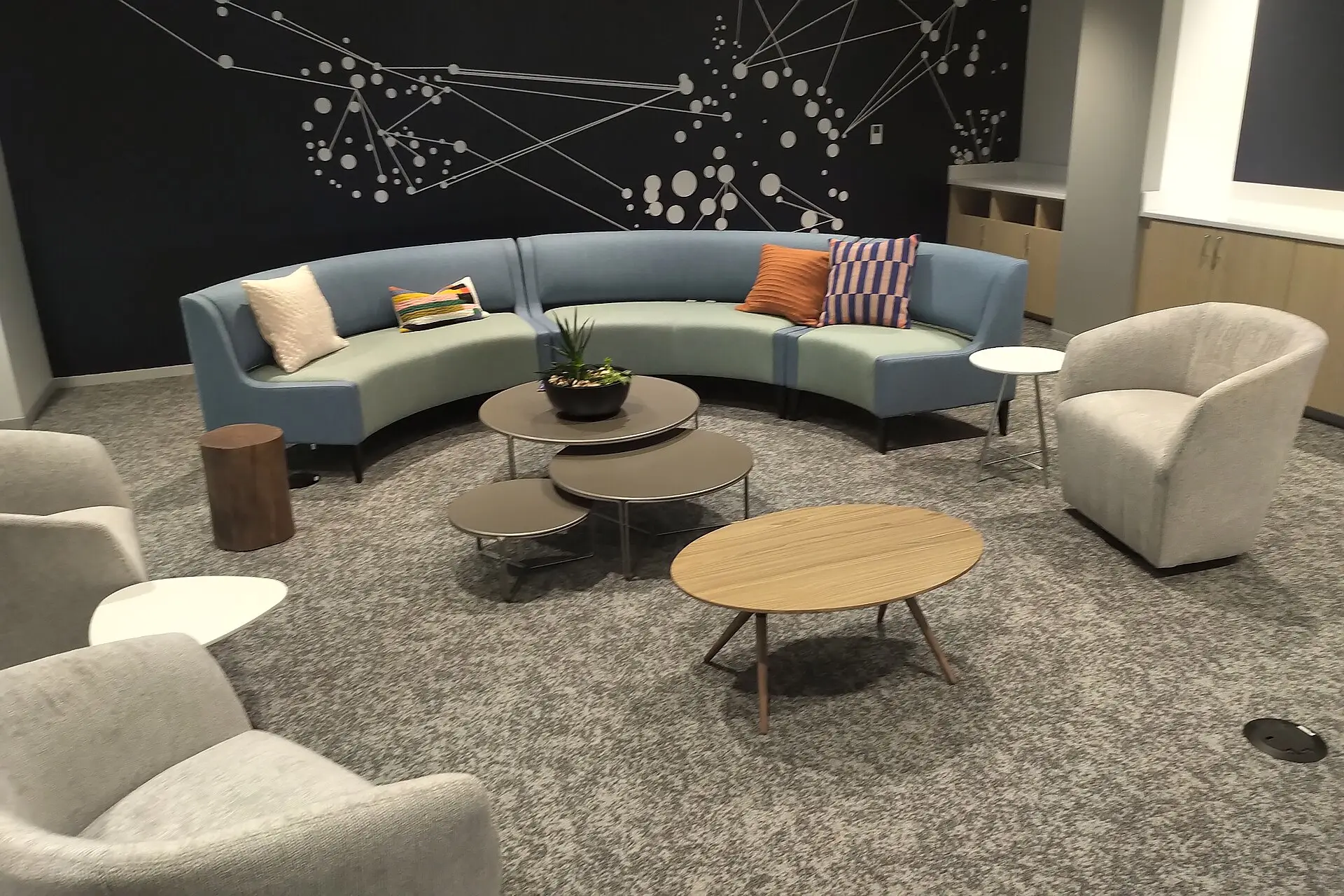
An open-plan office is a rewarding job for a robot: large flat areas, few people outside working hours, and a layout that does not change from week to week. A dry vacuuming machine runs eight to ten hours per charge, so one unit covers several floors in a single night.
Carpet or hard floor
Most offices have carpet in the working area and hard floor in the corridors, the tea point and the washrooms. Vacuuming and wet scrubbing are two jobs and usually two machines. Combined models exist but raise the price, so decide before buying which part of the area goes to which machine.
Lift, doors and network
A robot that changes floors needs an interface to the lift and to access control, otherwise somebody has to open doors for it. At night the building is empty, so this has to happen without people. Wifi should cover the corridors and the stairwell, and the dock sits in a store room with water and a drain.
A robot at reception directs visitors, prints a badge and tells the host they have arrived. It does not reduce the number of people at reception; it takes the repetitive questions off them. Half a day of training is enough for the facilities manager to handle cleaning schedules, coverage reports and basic brush and filter maintenance.
Recommended robots
Robotics in numbers
600+k
industrial robots were installed worldwide in 2025, up 11% on the year before.
5M
industrial robots are at work in factories worldwide, up 9% on the year before.
267robots
per 10,000 manufacturing employees in Western Europe, a record robot density.
Source: IFR World Robotics 2026, 2025 data; robot density: IFR, 2024 data.