


About four weeks ago, Figure AI announced it would spend about €890 million ($1 billion) over 12 months paying people to film themselves doing household chores. The videos feed a platform called Index, and Forbes has now gone through the first results the company has published.
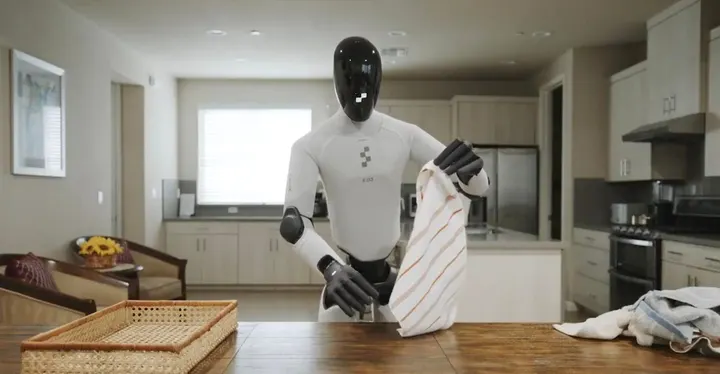
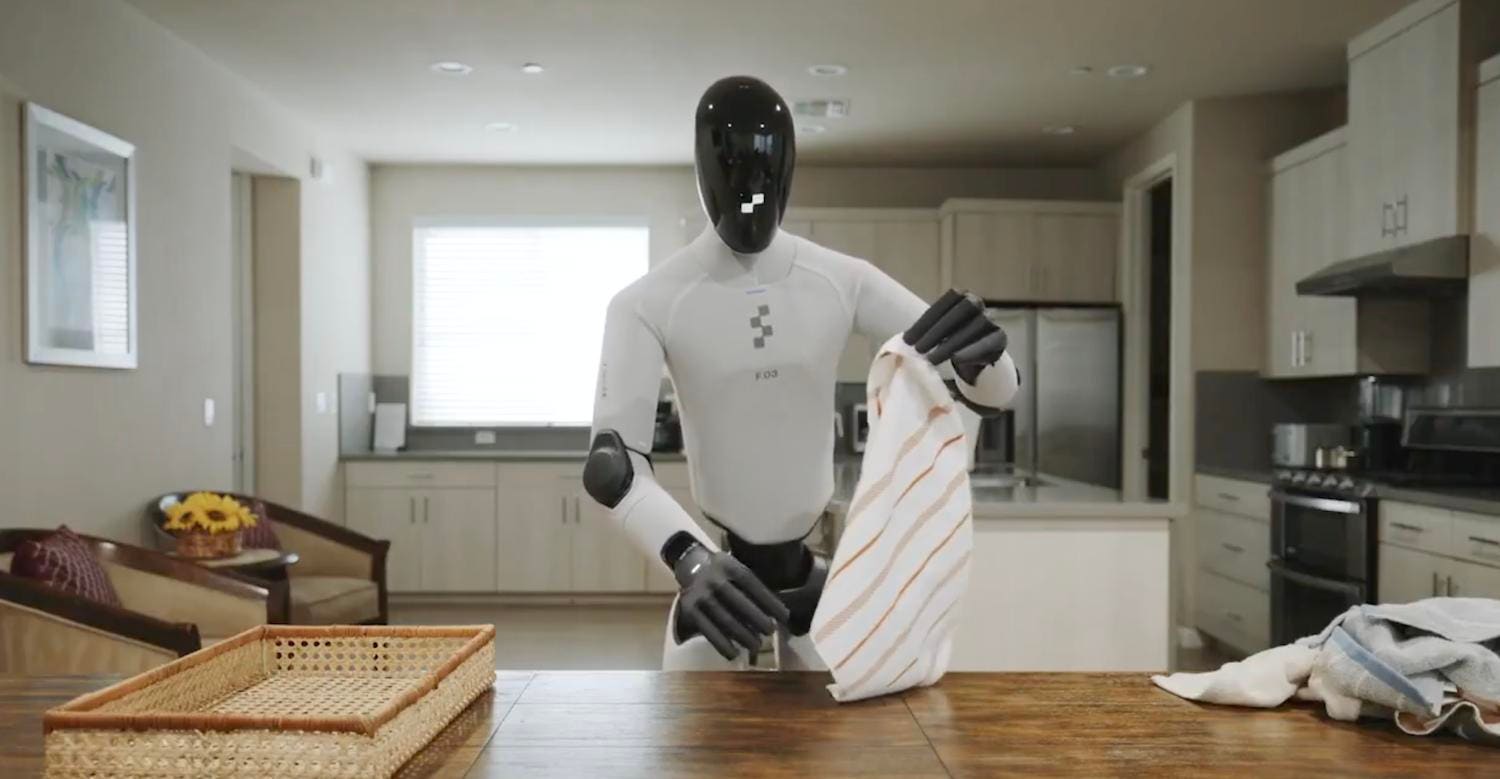
In the test, the Figure 03 humanoid worked in 30 rented homes in the San Francisco Bay Area that it had never seen before. The tasks were tidying 13 to 15 toys, folding towels and making a bed. Only the training data changed: without Index data the zero-shot success rate was 9%, with it 56%, or 237 successes in 420 trials. Bed making fared best (67%) and toy tidying worst (40%).
The numbers behind the platform
According to August figures, Index had 264,000 downloads across 108 countries, 44,000 weekly active contributors and 16 million uploaded videos, with about €13.4 million ($15 million) paid out. Figure also reportedly has about €3.1 billion ($3.5 billion) in committed compute through Nscale, covering up to 100,000 Nvidia Vera Rubin GPUs.
Forbes points out the limits. The test homes were short-term rentals rather than lived-in households, and rival Sunday Robotics has reported its own 99.1% success on garment folding, though the two metrics are not directly comparable. Figure itself concludes that general-purpose humanoid robotics is not solved. For industry the message is clear: the quantity and quality of data are becoming as important as the hardware.
Source: Forbes, 21 September 2026.