





Concrete, racking and fixed routes
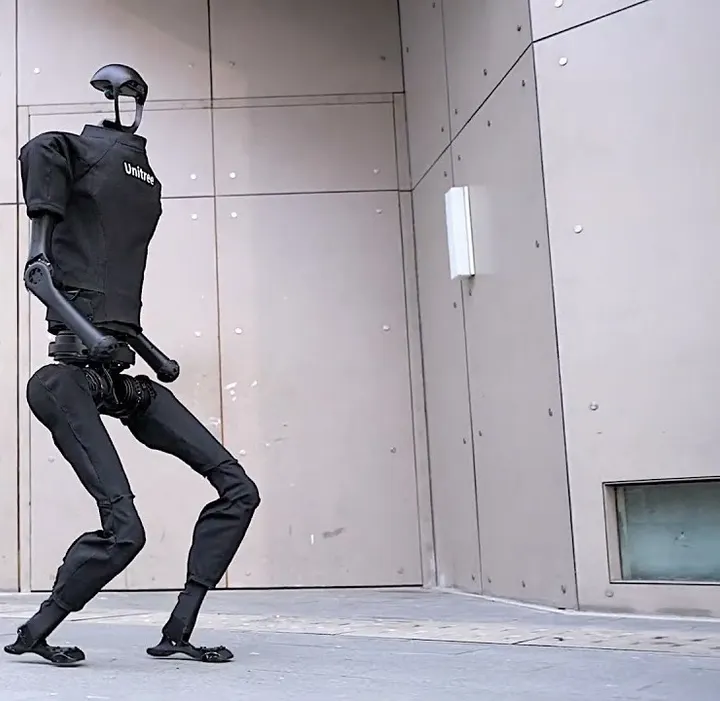
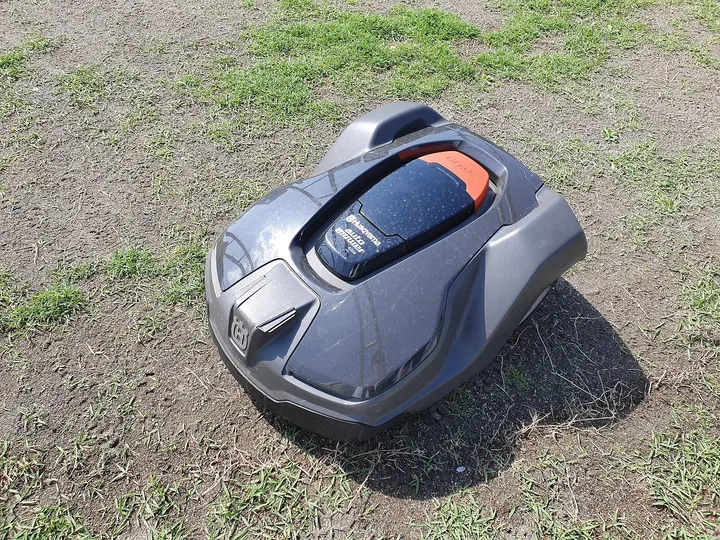
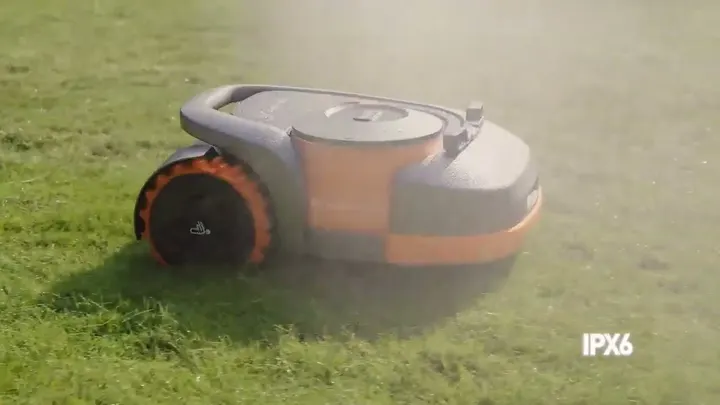
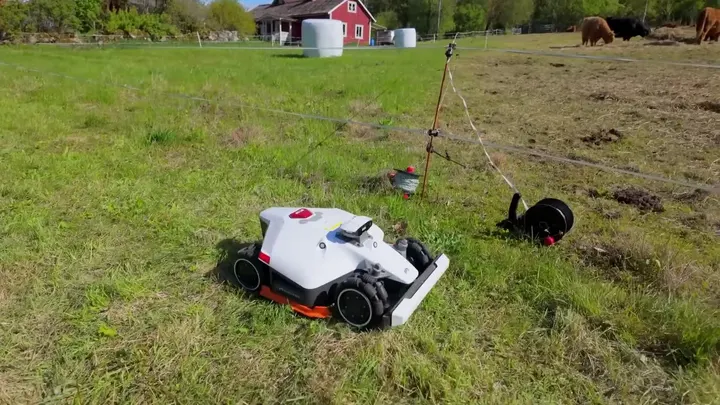
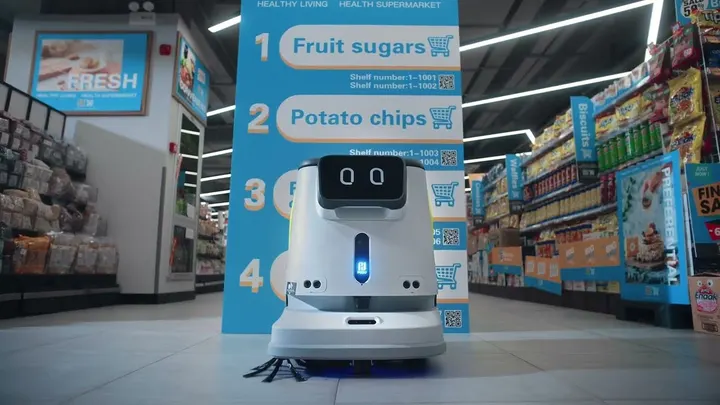
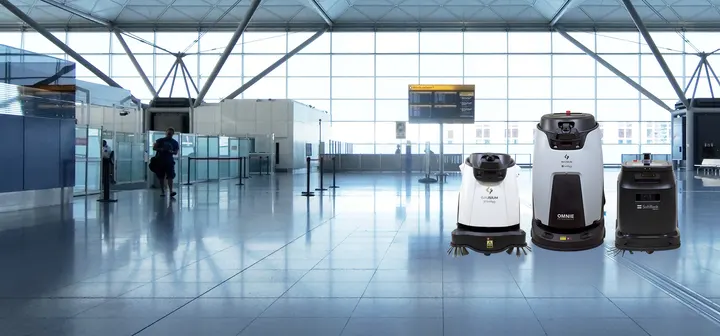
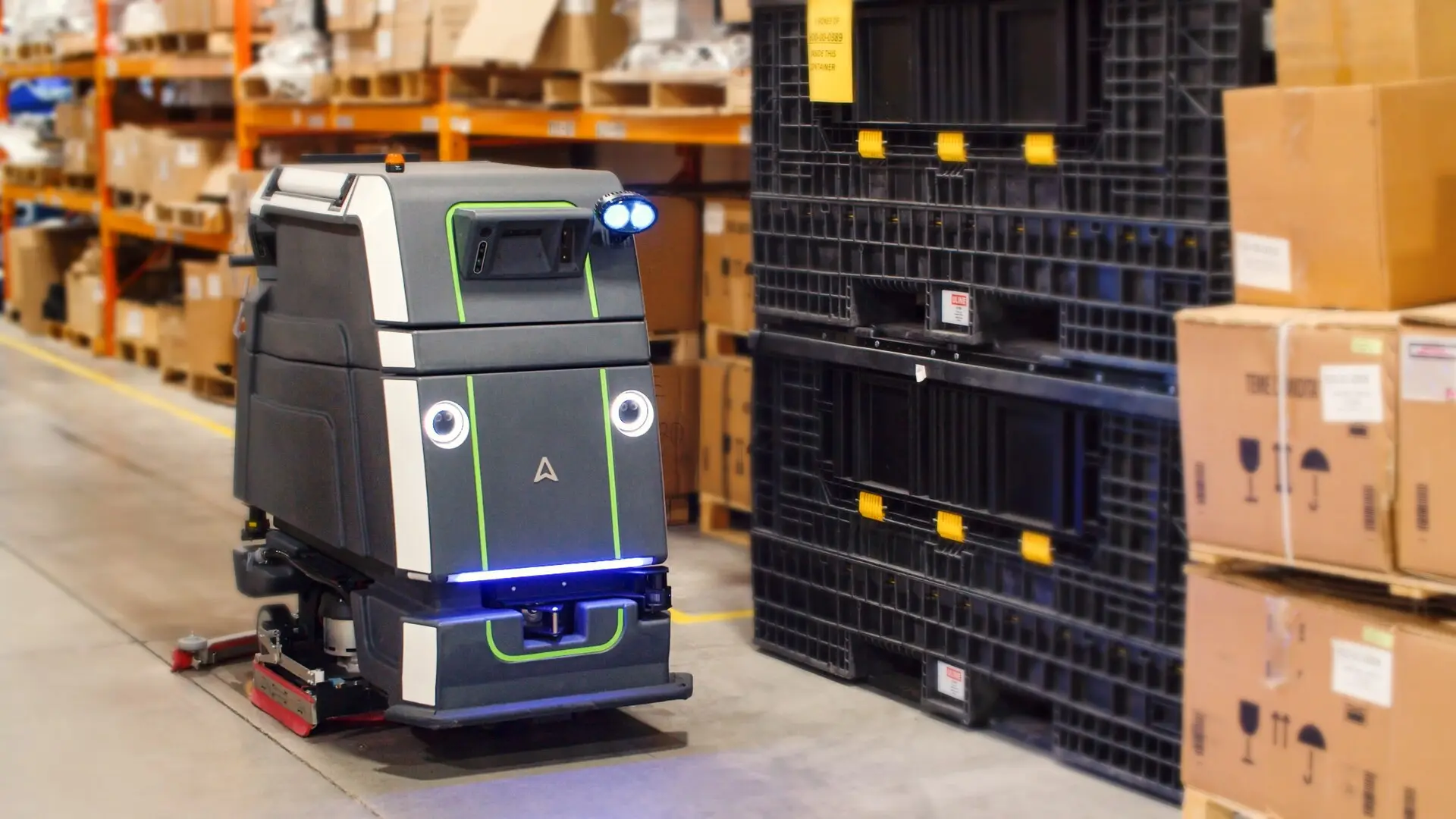
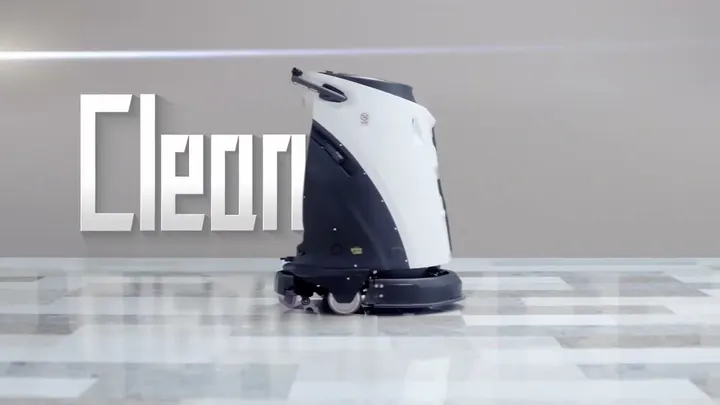
A scrubbing machine covers the hall and the aisles between racking, while a transport robot moves trolleys and cases along routes that rarely change.
- scrubbing coverage in practice
- 700-1400 m²/h
- of machine runtime per charge
- 3-6 h
- per transport robot trip
- 10-40 kg
A warehouse hall is at once easy and demanding for a robot: the areas are large and flat, but the aisles are narrow, forklift traffic is constant, and dust and film offcuts soil the sensors quickly. Large scrubbing machines run three to six hours per charge, so the shift is planned around that.
Floor and traffic
A concrete floor with holes and expansion joints wears squeegees and brushes faster than a flat epoxy surface. The route is planned so that it does not cut across the main forklift lanes, and the places where a crossing is unavoidable get a mirror, a floor marking or a speed reduction. The aisle has to stay clear, with no pallets left out of place.
Network and charging
Wifi in a hall with steel racking almost always has gaps. Coverage should be measured in the aisles, at about a metre above the floor, not in the office. The dock, the water point and the drain go close to the zone being cleaned. Transport robots carry ten to forty kilograms per trip and stop at fixed points.
For day-to-day running it is enough that the shift lead can start a plan and read a coverage report, and that the maintenance technician can change brushes, squeegees and filters. Faults that require opening the machine go to service, under a contract with an agreed response time.
Recommended robots
Robotics in numbers
600+k
industrial robots were installed worldwide in 2025, up 11% on the year before.
5M
industrial robots are at work in factories worldwide, up 9% on the year before.
267robots
per 10,000 manufacturing employees in Western Europe, a record robot density.
Source: IFR World Robotics 2026, 2025 data; robot density: IFR, 2024 data.